

 português
 English
 русский
 español
 العربية
 China
China



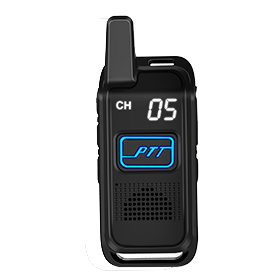
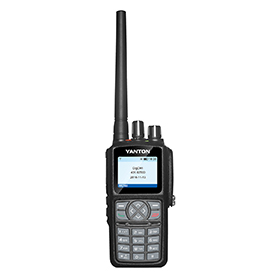
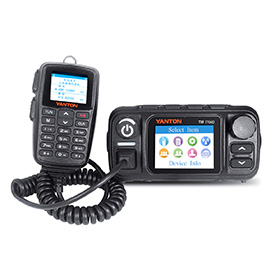

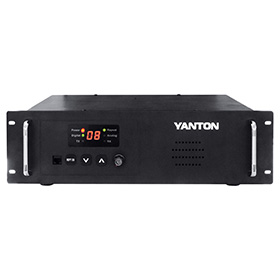
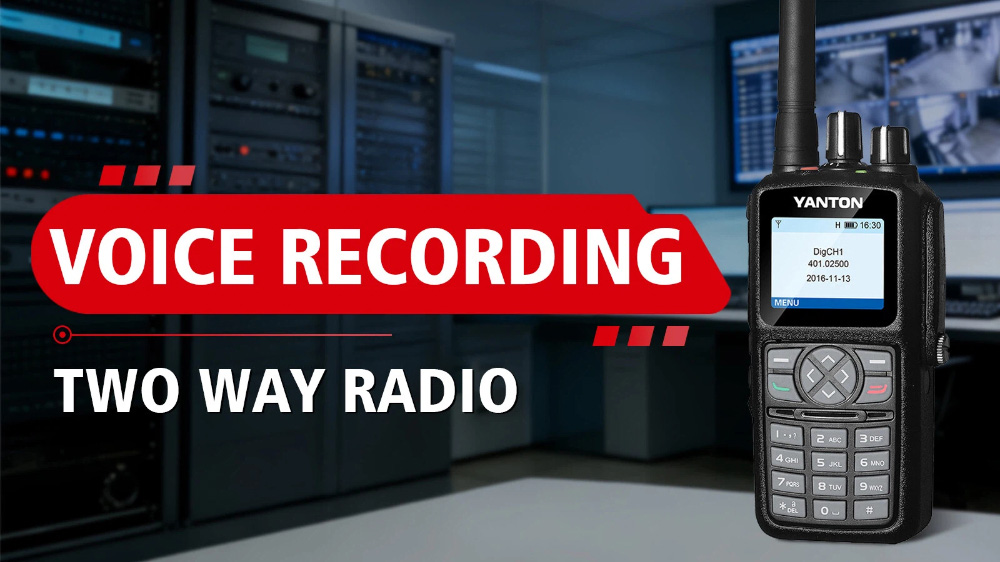
GRAVAÇÃO DE VOZ EM RÁDIO BIDIRECIONAL
Como funciona normalmente:
Controle manual: Personalize a função do botão lateral usando o software de programação para iniciar/parar a gravação.
Armazenamento: O áudio gravado é salvo como arquivos de áudio digital (por exemplo, .wav, .amr) na memória interna do walkie-talkie.
Reprodução e gerenciamento: você pode reproduzir as gravações diretamente no dispositivo através do menu.
Principais finalidades e usos:
Registro e documentação: Essencial para que a equipe de segurança, a equipe de eventos e as equipes de construção mantenham um registro de áudio de incidentes, instruções ou comunicações de segurança.
Treinamento e revisão: As equipes podem revisar as comunicações para aprimorar os procedimentos, a etiqueta de rádio e a resposta durante treinamentos ou após eventos.
Precisão das informações: Para garantir que detalhes importantes, como endereços, códigos ou instruções, não sejam perdidos ou esquecidos. Os usuários podem reproduzir a mensagem em vez de pedir para "repetir".
Monitoramento e Conformidade: Em alguns setores regulamentados, o registro de comunicações pode fazer parte da conformidade regulatória.
Considerações e limitações importantes:
Legalidade e Privacidade: Isso é crucial. Gravar conversas sem consentimento é ilegal em muitas jurisdições. Este recurso destina-se à gravação das comunicações profissionais da sua equipe, onde não há expectativa de privacidade, e está em conformidade com a política da empresa e as leis locais (por exemplo, leis de consentimento de uma ou duas partes).
Não é um recurso padrão: Não está presente em rádios walkie-talkie FRS/GMRS básicos e de baixo custo para o consumidor. É uma característica marcante de rádios profissionais e empresariais mais completos.
Qualidade de áudio: A qualidade depende da intensidade do sinal de transmissão original e do codec utilizado. Uma transmissão fraca e com ruído resultará em uma gravação fraca e com ruído.
Anterior :
IWCE Expo – Conectando Comunicações CríticasPróximo :
Função Bluetooth no Walkie TalkieContinue a ler, mantenha-se informado, inscreva-se e seja bem-vindo para nos dizer o que pensa.
 YANTON Building,Creation Road Tuoxing Industrial,Optoelectronics-information industry base,xiamei town,Nan'an City ,Fujian Province, China. / Room 2105 XM1507 Trend Center 29-31 Cheung , Lee Street Chai Wan,Hongkong
 86-592-5798082
86-595-86767398
86-592-5798082
86-595-86767398
 86-595-86761298


© direito autoral: 2026 QUANZHOU YANTON ELECTRONICS CO., LTD. Todos os direitos reservados.

IPv6 network supported


